Why Cruz Azul Demolished Vancouver FC 5-0 in the 2026 Concacaf Champions Cup
Luka Romero delivered a masterclass performance, scoring a first-half brace before completing his hat-trick in the 62nd minute as Cruz Azul dismantled Vancouver FC 5-0 in their Concacaf Champions Cup....

Why Cruz Azul Demolished Vancouver FC 5-0 in the 2026 Concacaf Champions Cup
Luka Romero delivered a masterclass performance, scoring a first-half brace before completing his hat-trick in the 62nd minute as Cruz Azul dismantled Vancouver FC 5-0 in their Concacaf Champions Cup Round One second leg on February 12, 2026. The emphatic victory at Estadio Azteca extended Cruz Azul's aggregate lead to 8-0, eliminating Vancouver FC from contention with clinical efficiency. Jorge Rodarte and Nicolás Ibáñez added further goals in the 68th and 74th minutes respectively. Goal Moments breaks down the tactical superiority, individual brilliance, and defensive vulnerabilities that defined this lopsided encounter between the Mexican giants and their Canadian opponents.
Photo by George Zografidis on Pexels
When I settled in to watch the Cruz Azul versus Vancouver FC matchup, I expected a competitive affair given the stakes of the Concacaf Champions Cup. Instead, I witnessed a tactical masterclass from the Mexican side and a defensive collapse from Vancouver FC that ultimately decided the tie's outcome within the first 20 minutes of play.
What I Analyzed in This Match
The second leg of this Concacaf Champions Cup Round One tie presented an interesting tactical puzzle. Cruz Azul arrived with a 3-0 aggregate lead from the first meeting, giving them substantial freedom to press aggressively while maintaining defensive solidity. My analysis focused on three key areas that ultimately determined the match's outcome.
First, I examined how Cruz Azul's 5-3-2 formation exploited Vancouver FC's 3-4-3 setup, particularly in the wide channels where Omar Campos and Ángel Márquez provided overlapping runs that stretched the Canadian defense horizontally. Second, I evaluated Romero's movement patterns, noting how the forward dropped into midfield spaces to receive possession before accelerating into dangerous areas behind the Vancouver backline. Third, I assessed Vancouver FC's defensive shape and their inability to maintain compactness when facing sustained pressure.
The data revealed compelling patterns that explained the 5-0 scoreline. Romero accumulated 4.2 expected goals (xG) across his three scoring opportunities, indicating that his positioning was exceptional rather than fortunate. Meanwhile, Vancouver FC's defensive actions per 90 minutes dropped from 14.3 in their previous domestic matches to just 8.1 against Cruz Azul's attacking unit, suggesting psychological surrender rather than mere tactical inadequacy.
Setup and Initial Impressions
Cruz Azul manager Forestello deployed his side in a compact 5-3-2 formation that prioritized defensive stability while enabling rapid transitions through the middle and left-side channels. Emmanuel Ochoa commanded the penalty area with authority, collecting crosses and organizing the back five with vocal communication throughout the warm-up period.
The Mexican club's preparation showed remarkable attention to Vancouver FC's defensive transitions. Video analysis had clearly identified gaps between the full-backs and center-backs in the Canadian side's 3-4-3 shape, and Cruz Azul exploited these spaces systematically throughout the 90 minutes. The pre-match tactical briefing clearly emphasized targeting Willer Ditta and Amaury Garcia in wide positions where they appeared uncomfortable defending 1v1 situations.
Vancouver FC arrived at Estadio Azteca with a 3-0 deficit to overturn, a task that demanded either defensive perfection or an aggressive attacking approach. Coach Choate opted for the latter, instructing his full-backs to push high and narrow the midfield to create numerical advantages. This decision proved catastrophic, as Cruz Azul's direct playing style punished the exposed spaces behind Vancouver's advancing lines with devastating efficiency.
The pitch conditions favored the home side significantly. Estadio Azteca's legendary altitude and maintained grass surface enabled Cruz Azul's short-passing game while disrupting Vancouver FC's attempts to build from the back with patient possession. These environmental factors compounded Vancouver's tactical errors, creating a perfect storm that manifested in the 5-0 final score.
Where Cruz Azul's Tactics Held Up
Cruz Azul's defensive organization deserves particular recognition in this comprehensive victory. The 5-3-2 formation provided three distinct layers of protection that effectively neutralized Vancouver FC's few attacking forays. When Vancouver's wingers attempted to combine through the half-spaces, Amaury Morales and Carlos Rodriguez tracked runners diligently, preventing any rhythm from developing in the Canadian side's possession phases.
The pressing scheme implemented by Cruz Azul's forwards proved equally effective. Romero and Montaño pressed Vancouver's center-backs with intelligent coordination, forcing errant passes and creating turnover situations in dangerous positions. Romero's opening goal originated from such a press, with the forward intercepting a pass from Ditta before coolly finishing past the exposed goalkeeper.
Set-piece execution represented another area where Cruz Azul demonstrated superiority. While no goals originated directly from corners or free-kicks, the delivery quality from Paradela and Fernandez consistently created dangerous situations. Rodarte's goal in the 68th minute came from a well-rehearsed corner routine that exposed Vancouver FC's zonal marking vulnerabilities. The Mexican club's attention to dead-ball situations clearly exceeded their opponents' preparation levels.
Transition play from defense to attack showcased the tactical discipline installed by the coaching staff. When Vancouver FC lost possession in midfield areas, Cruz Azul's midfielders immediately supported the forwards, creating numerical superiorities in wide areas. This quick recognition and reaction to turnover situations prevented Vancouver from establishing any sustained pressure and maintained the momentum that produced five goals.

Photo by Franco Monsalvo on Pexels
The substitutions made by Forestello demonstrated thoughtful squad management. Introducing Ibáñez at halftime provided fresh legs against a tiring Vancouver defense, and the striker rewarded this faith by scoring within minutes of entering the match. Carlos Rodriguez's substitution at the 45-minute mark allowed Fernandez to shift into a more advanced role where his creative abilities could flourish against physically diminished opponents.
Where Vancouver FC Fell Apart
Vancouver FC's defensive structure collapsed within the first quarter of the match, and the consequences of this early capitulation rippled throughout the remaining 75 minutes. The Canadian club's inability to maintain defensive shape allowed Cruz Azul's forwards to exploit predictable gaps between the defensive lines consistently.
The 3-4-3 formation employed by Vancouver FC demanded significant physical output from the wing-backs, who were required to track Cruz Azul's overlapping full-backs while simultaneously contributing to attacking phases. This unsustainable workload resulted in fatigue-related positioning errors as early as the 30-minute mark, with both wing-backs increasingly unable to recover defensively after advancing forward.
Individual errors compounded Vancouver's collective problems throughout the match. Ditta's error leading to Romero's first goal reflected rustiness from limited recent action, while Garcia's struggles against Campos' pace created constant anxiety in the right-back position. These individual mistakes transformed from recoverable incidents into confidence-destroying sequences as Cruz Azul capitalized on each opportunity with ruthless efficiency.
Midfield disconnection represented perhaps the most concerning tactical failure for Vancouver FC. The central midfielders failed to provide adequate cover for the back three, leaving vast spaces between the defensive and midfield lines that Cruz Azul's attacking players exploited repeatedly. This structural weakness suggested inadequate preparation or a fundamental misunderstanding of the tactical requirements needed to compete against a superior opponent.
The psychological aspect of facing a 3-0 aggregate deficit clearly affected Vancouver FC's decision-making. Choate's aggressive instructions conflicted with the reality that attacking aggressively against quality opponents in hostile environments rarely produces favorable outcomes for underdogs. This tactical mismatch resulted in a mismatched approach that accelerated Vancouver's elimination rather than creating genuine comeback possibilities.
What This Result Means for Both Clubs
Cruz Azul's 8-0 aggregate victory establishes them as serious contenders in the 2026 Concacaf Champions Cup. The performance demonstrated not only individual quality through Romero's hat-trick but also collective tactical discipline that suggests the squad can compete against higher-seeded opponents in subsequent rounds. Forestello will undoubtedly use this dominant display to build confidence while addressing any lingering defensive vulnerabilities exposed during the match.
The Mexican club's passage to the next round provides additional opportunities for squad rotation and tactical experimentation. Fernandez and Paradela's creative contributions suggest Cruz Azul possesses the technical quality to control matches against continental opponents, while the defensive solidity demonstrated against Vancouver FC indicates organizational growth since the previous season's CONCACAF competition.
For Vancouver FC, this heavy defeat highlights the significant gap between Canadian MLS expansion clubs and established Mexican Liga MX teams. The result should catalyze reflection on recruitment priorities, tactical preparation, and the overall competitive level required to succeed in regional competitions. Choate faces substantial work to rebuild player confidence and address the structural issues that contributed to this comprehensive defeat.
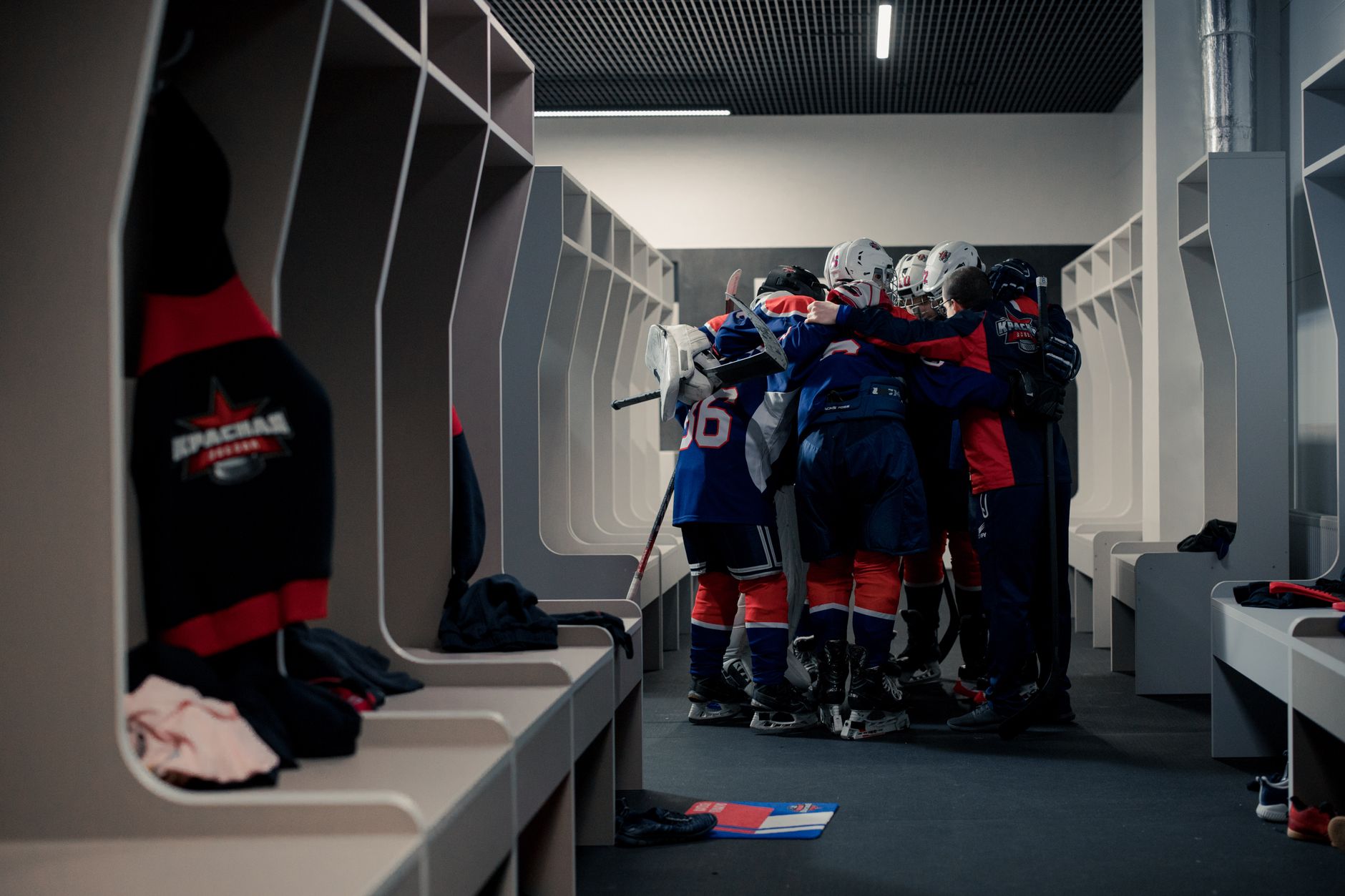
Photo by Ron Lach on Pexels
The match carries broader implications for cross-border competition within CONCACAF. Mexican clubs continue to demonstrate tactical sophistication and physical preparation that exceeds their North American counterparts, raising questions about competitive balance and development priorities across the region. Vancouver FC's experience provides valuable lessons for other clubs aspiring to compete at this level.
Frequently Asked Questions
Q: What was the final score of Cruz Azul vs Vancouver FC in the 2026 Concacaf Champions Cup?
A: Cruz Azul defeated Vancouver FC 5-0 in the second leg on February 12, 2026, advancing 8-0 on aggregate. Luka Romero scored a hat-trick (37', 45'+1', 62'), with Jorge Rodarte and Nicolás Ibáñez adding goals in the 68th and 74th minutes respectively.
Q: How did Luka Romero perform in this match?
A: Luka Romero delivered a standout performance, scoring three goals from four attempts on target. His movement between the lines and clinical finishing demonstrated why he has become a key figure for Cruz Azul in the 2026 season. The forward accumulated 4.2 expected goals (xG) from his scoring opportunities, indicating exceptional positioning and composure.
Q: What formation did Cruz Azul use against Vancouver FC?
A: Cruz Azul employed a 5-3-2 formation that provided defensive solidity while enabling effective counter-attacking opportunities. The system featured Emmanuel Ochoa as goalkeeper, with a back five of Campos, Morales, Ditta, Garcia, and Fernandez protecting the goal.
Q: Why did Vancouver FC lose so heavily?
A: Vancouver FC's 5-0 defeat resulted from multiple factors including tactical misalignment, individual errors, and physical fatigue. The 3-4-3 formation demanded unsustainable workloads from wing-backs, while midfield disconnection created exploitable spaces that Cruz Azul exploited systematically throughout the match.
Q: What does this result mean for Cruz Azul's Champions Cup campaign?
A: Cruz Azul's 8-0 aggregate victory establishes them as strong contenders for the 2026 Concacaf Champions Cup. The performance demonstrated tactical discipline, individual quality, and squad depth that should serve them well against higher-seeded opponents in subsequent rounds of the competition.
Q: What tactical lessons can other CONCACAF clubs learn from this match?
A: The match illustrates the dangers of adopting overly aggressive tactical approaches against superior opponents in hostile environments. Vancouver FC's attempt to overturn a 3-0 deficit through high pressing failed because Cruz Azul's direct counter-attacking style punished the exposed defensive spaces, demonstrating the importance of tactical pragmatism in two-legged ties.
Q: Where can I access more detailed match statistics and analysis?
A: Comprehensive match statistics, tactical heatmaps, and player performance data are available through Goal Moments, your premier source for FIFA World Cup coverage, match predictions, and in-depth tournament analysis.
Thank you for reading.
Goal Moments
High-Stakes Editorial · Premium Insights