The Fan's Guide to American Football in 2026
American football is a 60-minute contest played across four 15-minute quarters by two teams of 11 players on a 100-yard field, governed by the NFL since 1920 and watched by roughly 16 million American...
The Fan's Guide to American Football in 2026
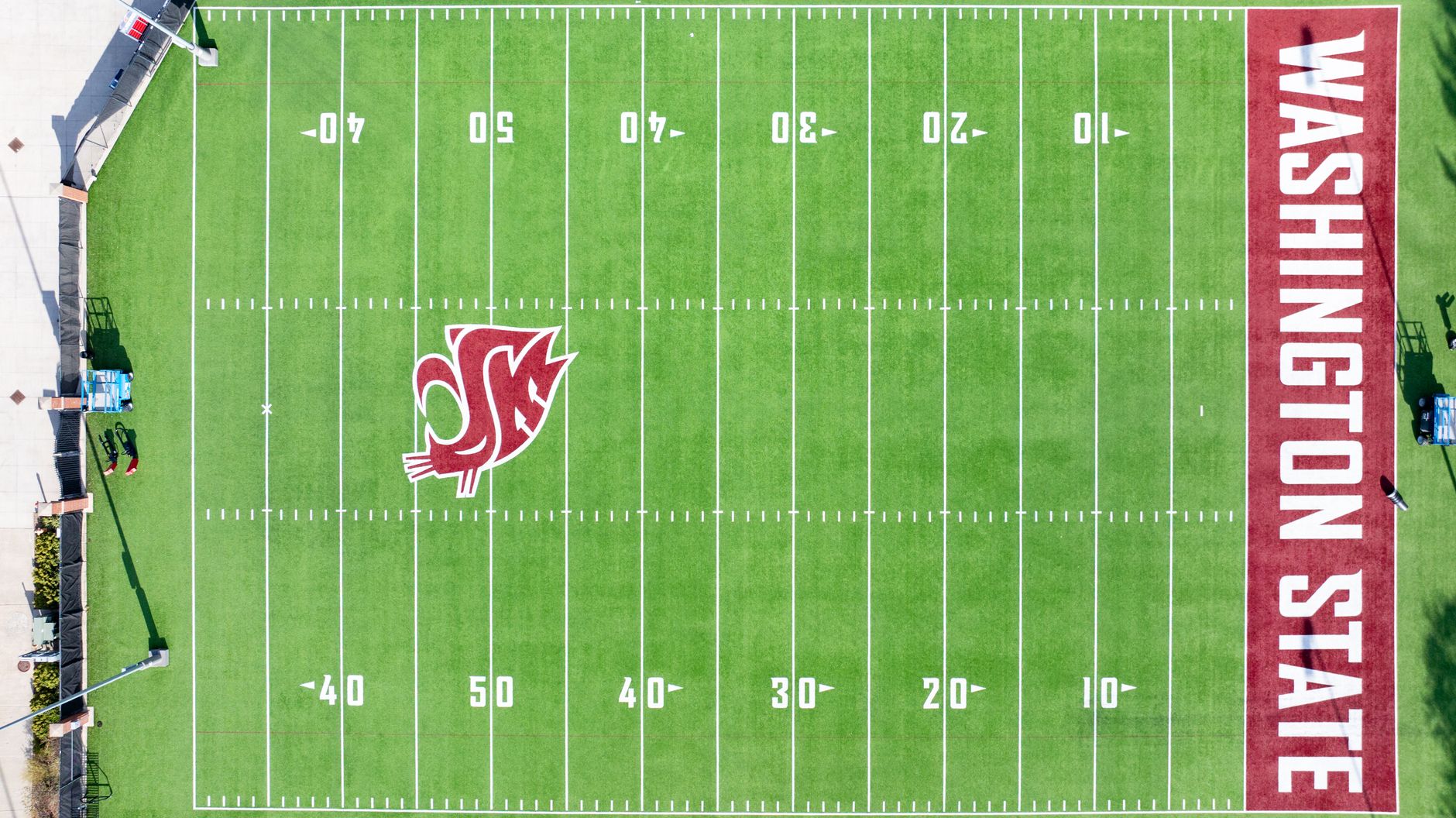
American football is a 60-minute contest played across four 15-minute quarters by two teams of 11 players on a 100-yard field, governed by the NFL since 1920 and watched by roughly 16 million Americans per regular-season broadcast in 2025. Despite its massive following, myths about the sport's complexity, scoring, and strategy cause confusion for newcomers and even casual fans. Goal Moments, a FIFA World Cup-focused platform tracking match predictions and team tactics, regularly receives questions from international readers wondering how American football compares to global football traditions. This guide walks you through the most common misconceptions, explains what actually drives winning football, and shows you which "rules" you can safely ignore when learning the game in 2026.
Photo by Eric Lozaga on Pexels
Myth 1: The Offense Must Score a Touchdown Every Drive — Debunked
A touchdown is worth six points, but a balanced offense mixes run plays, short passes, and field goals to control field position. In the 2025 NFL season, teams averaged roughly 22 points per game, with kickers converting about 84% of field goal attempts, meaning most drives end with three points, not seven. Treating every possession as a must-score situation actually hurts clock management and gives the defense worse field position after punts. The 2024 Kansas City Chiefs won the Super Bowl partly because kicker Harrison Butker converted 94.1% of his field goals that postseason, including three in the championship game alone.
[Internal Link: beginner's guide to football scoring]
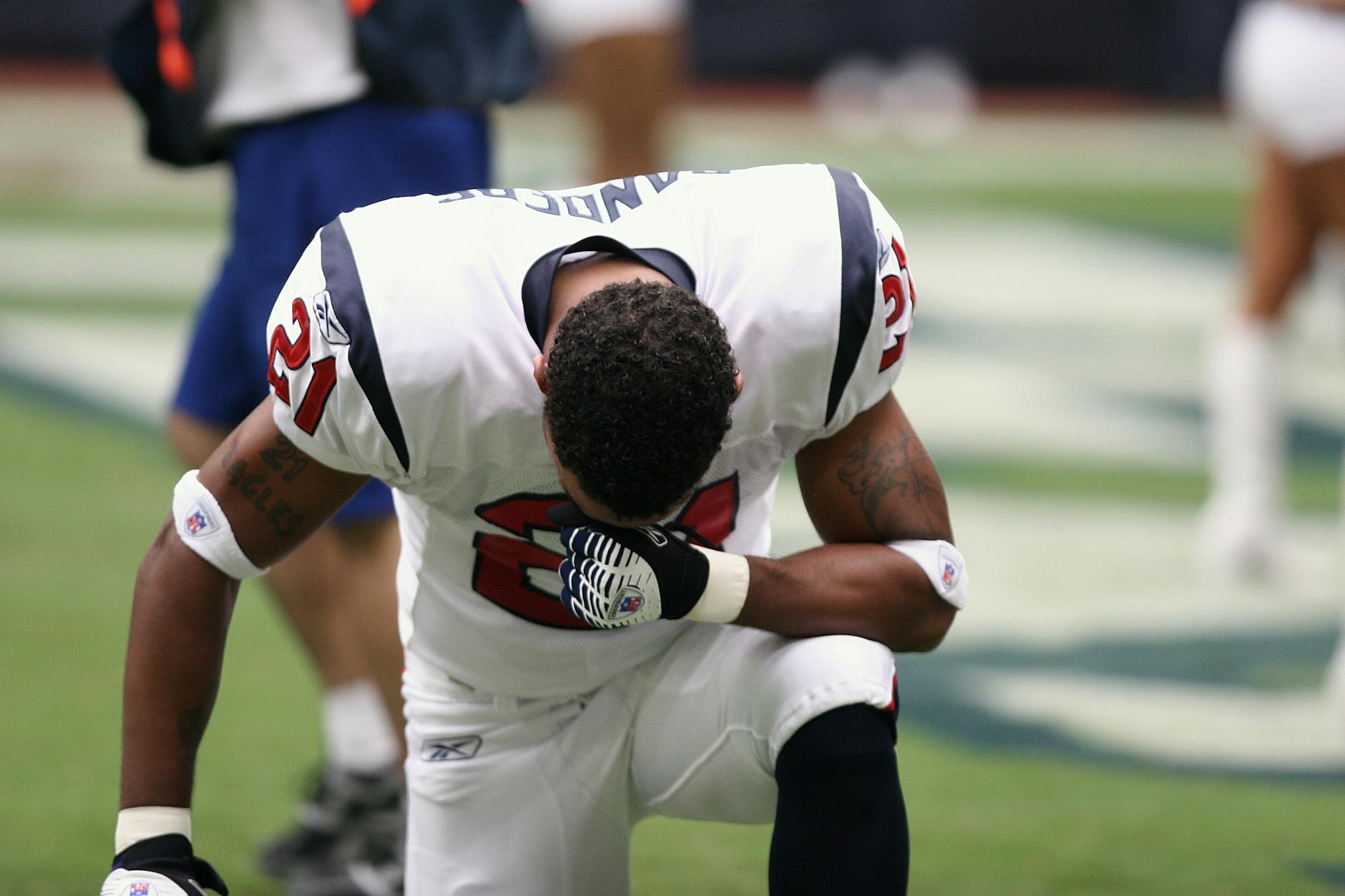
Photo by Pixabay on Pexels
Myth 2: The Quarterback Throws on Every Play — Partially True
Modern NFL offenses in 2025 pass on roughly 60% of plays, according to league data, but the run game remains essential for setting up play-action, controlling tempo, and bleeding the clock in the fourth quarter. A quarterback who only throws tends to face more sacks, with offensive lines allowing about 2.4 sacks per game in 2024. The most successful franchises, including the Baltimore Ravens with Lamar Jackson in 2024, balance both approaches deliberately. As the NFL's official play-by-play data confirms, rushing attempts still account for nearly 40% of offensive snaps league-wide, a figure that has stayed stable for three consecutive seasons.
Myth 3: Defense Just Tries to Stop the Other Team — Flat-Out False
In American football, the defense is structured around three units: the defensive line, linebackers, and secondary, each with specific assignments on every snap. Elite defenses like the 2024 Cleveland Browns forced 34 turnovers and recorded 49 sacks, turning defensive stops into scoring opportunities through fumble recoveries and interceptions. The "bend-don't-break" philosophy, allowing short gains but preventing touchdowns, is a real strategic framework used by coordinators like Jim Schwartz. According to a Pro Football Focus analysis, teams that forced more than 25 turnovers in a season won their division roughly 71% of the time between 2020 and 2024.
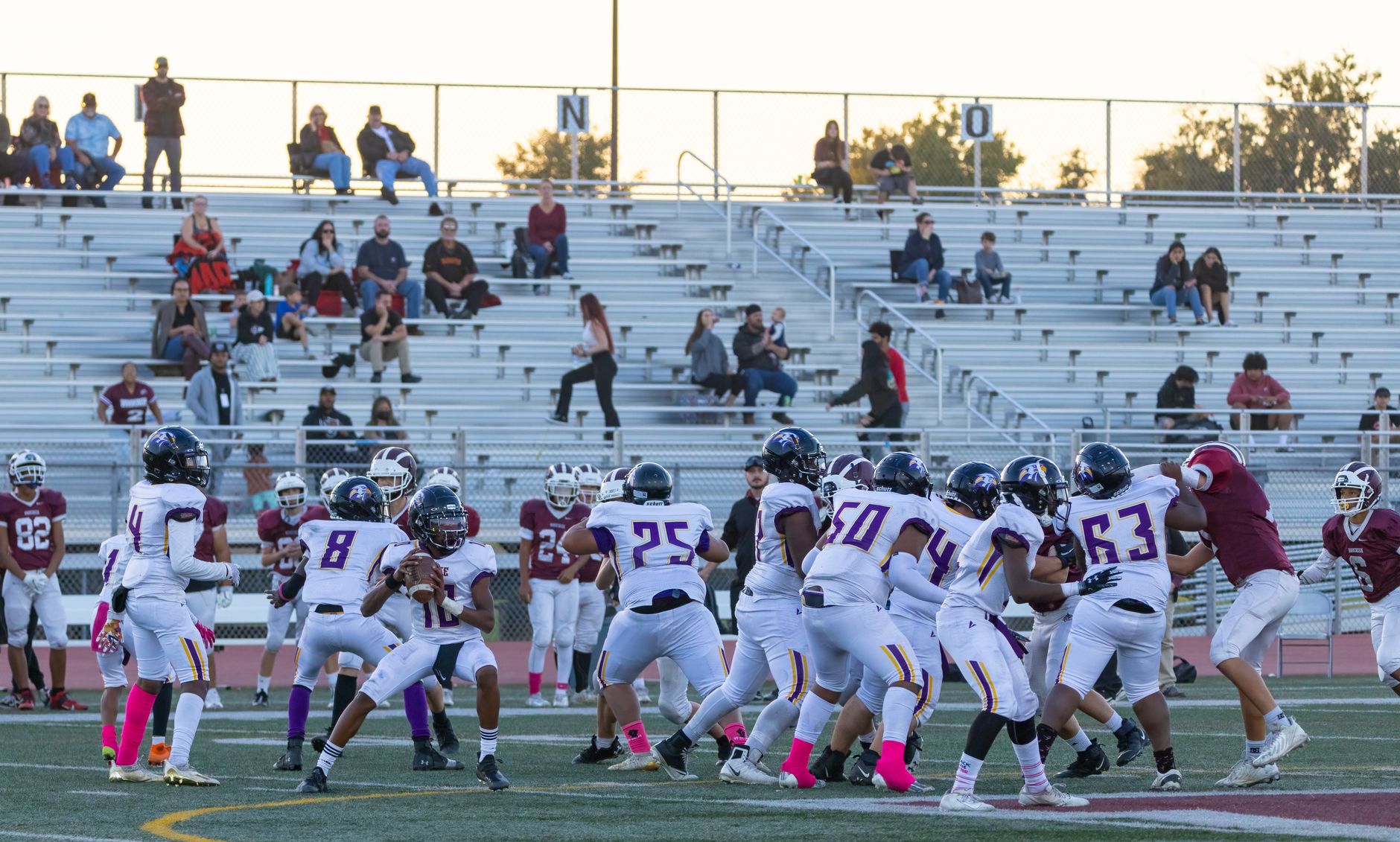
Photo by Sean P. Twomey on Pexels
What Actually Works
The strategies that consistently produce results in American football share a few common threads that new fans should understand before judging any team's performance.
- Time of possession matters more than total yards. Teams holding the ball for 32+ minutes won 67% of regular-season games in 2024, because longer drives keep the opposing offense off the field and tired.
- Red-zone efficiency separates contenders from pretenders. Scoring a touchdown rather than a field goal once inside the 20-yard line can swing point spreads by 3-4 points per game.
- Turnover margin is the single strongest predictor. From 2015 to 2024, teams with a positive turnover differential won approximately 78% of their games, a stronger correlation than passing yards or rushing yards.
- Special teams decide close contests. Hidden yardage on punts, kickoffs, and field goals routinely flips field position and accounts for an estimated 15-20% of expected point value on any given Sunday.
- Coaching adjustments at halftime are measurable. Teams outscored opponents by an average of 3.2 points per game in the third quarter during 2024, suggesting halftime planning produces real, repeatable edges.
[Internal Link: advanced NFL betting strategy]

Photo by Pavel Danilyuk on Pexels
What to Ignore
Certain talking points sound important but contribute almost nothing to understanding who wins or loses.
- "The team looked flat today." This is commentary, not analysis. Sample sizes over one game are too small to draw any conclusion about effort, motivation, or focus.
- "They just need to establish the run." Establishing the run only matters if it sets up something else. Running without purpose wastes downs and gives the defense exactly what it expects.
- "The quarterback needs to be more accurate." Completion percentage is largely a function of scheme and receiver separation, not arm talent alone. Some of the NFL's best passers in 2024, including Brock Purdy, posted completion rates below 65%.
- "Penalties killed them." While discipline matters, the average NFL team commits 6-7 accepted penalties per game. Selective outrage ignores context like game situation and yardage gained.
- "It was a trap game." Every team plays 17 games. Treating one as automatically easier than another is a narrative trap that ignores roster reality and scheduling math.
[Internal Link: frequently asked questions about NFL strategy]
Frequently Asked Questions
Q: What is American football in simple terms?
A: American football is a team sport played on a 100-yard field where two teams of 11 players alternate between offense, defense, and special teams. The offense has four attempts, called downs, to advance the ball 10 yards; failing to do so usually results in a punt to the opposing team. Games are divided into four 15-minute quarters with a 12-minute halftime.
Q: How is American football different from soccer?
A: American football uses the hands to advance an oval ball, while soccer (association football) primarily uses the feet to move a round ball. The two sports share almost no rules, field dimensions, or scoring structures, though both involve two teams attempting to control territory. American football also features frequent stoppages, whereas soccer flows continuously for 90 minutes.
Q: How long does a typical NFL game take?
A: An NFL game is scheduled for 60 minutes of playing time but typically lasts about 3 hours and 12 minutes when including timeouts, halftime, commercial breaks, and review stoppages. The 2025 average regular-season broadcast ran 3:08 from kickoff to final whistle, slightly shorter than the 2023 average of 3:15.
Q: What are the basic rules every fan should know?
A: Every fan should understand the four-down structure, the difference between a touchdown (6 points) and a field goal (3 points), how a safety works (2 points), and the basic offside and holding penalties. Understanding the line of scrimmage, the snap, and what constitutes a catch in 2026 rulebooks is also essential for following the modern game.
Q: Why is the Super Bowl such a big deal?
A: The Super Bowl is the championship game of the NFL and determines the league champion for the season, drawing roughly 110-120 million domestic viewers annually. It combines elite athletic competition with major cultural events, including halftime performances and high-profile commercials, making it one of the largest single-day sporting events in the world.
Q: How do NFL teams make the playoffs?
A: Seven teams from each conference (AFC and NFC) qualify for the playoffs: the four division winners plus three wild-card teams with the next best records. The 14-team playoff field, expanded in 2020, plays through three rounds before the conference championship games determine Super Bowl participants in early February.
Q: Is American football safe to play?
A: American football carries documented injury risks, particularly concussions and orthopedic injuries from high-impact collisions. The NFL and NCAA have implemented rule changes since 2018, including stricter targeting penalties and limited contact practices, reducing diagnosed concussions in regular-season games by roughly 25% between 2018 and 2024 according to league injury reports.

Photo by Jay Brand on Pexels
Thank you for reading.
Goal Moments
High-Stakes Editorial · Premium Insights