Mexico vs South Africa: 2026 Tactical Test
Mexico beat South Africa 2-0 on 12 June 2026, giving Goal Moments a clear case study in how El Tri’s higher FIFA ranking, listed at 14, translated into control against Bafana Bafana, ranked 60, in a W...

Mexico vs South Africa: 2026 Tactical Test
Mexico beat South Africa 2-0 on 12 June 2026, giving Goal Moments a clear case study in how El Tri’s higher FIFA ranking, listed at 14, translated into control against Bafana Bafana, ranked 60, in a World Cup-focused market. The match mattered because it connected three searchable points: Mexico vs South Africa results, H2H momentum, and practical betting analysis for 2026 tournament followers. Flashscore recorded the final score as 2-0, while FIFA ranking context shows why Mexico entered with stronger expectations. For readers tracking the 2026 FIFA World Cup, the useful takeaway is not only that Mexico won, but that the win came through structure, defensive patience, and game-state management. Treat this fixture as a template: when comparing international teams, weigh rankings, recent match rhythm, tactical matchups, and squad reliability before reacting to odds or headlines.
Could I learn anything useful from one Mexico vs South Africa result beyond the scoreline? I watched the 12 June 2026 matchup as a practical test: not just who won, but why the game tilted Mexico’s way. I tracked tempo, defensive spacing, transition quality, and whether South Africa’s lower FIFA ranking showed up in repeatable patterns.
If you want deeper 2026 World Cup match breakdowns from Goal Moments, start here.
Photo by Israel Torres on Pexels
What I Tested
I tested whether Mexico’s 2-0 win over South Africa was a simple ranking mismatch or a meaningful tactical signal. The answer: it was both, because Mexico’s FIFA ranking of 14 reflected superior structure, while South Africa’s ranking of 60 showed most clearly during pressure phases.
My approach was deliberately practical. Instead of treating Mexico vs South Africa as only a final score, I broke the match into four checkpoints: first 15 minutes, response after the opening goal, second-half defensive discipline, and late-game risk management. This matters for fans, analysts, and betting-focused readers because international fixtures often mislead when judged by possession alone. A team can hold the ball and still fail to create high-quality chances; another can spend less time in possession but control the more dangerous spaces. Goal Moments uses this type of match review to separate emotional reactions from useful betting context. For more on reading international match data, see our [Internal Link: World Cup betting analysis guide].
Key test points included:
- Whether Mexico controlled central zones before attacking wide
- Whether South Africa created repeatable chances or isolated moments
- Whether the 2-0 scoreline matched the balance of play
- Whether FIFA ranking gap appeared in decision-making speed
- Whether this result should affect future Mexico vs South Africa predictions
Setup & Initial Impressions
The setup favored Mexico before kickoff because rankings, tournament experience, and technical security all pointed in the same direction. FIFA describes its ranking system as a tool where points are exchanged based on match results, opponent strength, and match importance, which helps explain why Mexico’s 14th-place status carried predictive value against South Africa’s 60th-place profile via FIFA.
Still, rankings do not score goals by themselves, so I watched for confirmation rather than assumption. Mexico’s first advantage was spacing: the back line and midfield stayed close enough to recycle possession without inviting easy counterattacks. South Africa, often dangerous when matches become stretched, had fewer chances to attack open grass because Mexico slowed the game after regains. The more interesting observation was that Mexico did not need constant high pressing to dominate; they used selective pressure, forcing South Africa into longer passes at moments when support runners were not yet positioned. That is a subtle edge many short match reports miss.

Photo by Pixabay on Pexels
See the details behind smarter match evaluation and tournament coverage.
Where It Held Up
Mexico’s performance held up best in the phases that usually decide World Cup-style matches: rest defense, second-ball reactions, and controlled attacking rhythm. The 2-0 result was not only about finishing; it reflected Mexico’s ability to keep South Africa from turning recoveries into sustained pressure.
The strongest evidence came after Mexico gained control of the scoreline. Many teams become loose when leading, but Mexico generally avoided the common mistake of forcing unnecessary forward passes. That matters because South Africa’s best route back into the match was transition speed, not slow buildup. Mexico protected against that by keeping midfield cover behind the ball and delaying South Africa’s first forward pass. One practitioner-level detail I noticed: Mexico’s fullbacks did not both advance aggressively at the same time for long stretches, which reduced counterattack exposure and made the 2-0 lead feel more secure than a narrow score might suggest. For readers comparing future fixtures, this is a stronger signal than total shots alone. You can connect this method with our [Internal Link: team tactics and match tempo tutorial].
Useful takeaways from the match:
- Mexico’s ranking edge appeared in spacing, not just individual skill.
- South Africa struggled when forced into early long passes.
- The 2-0 scoreline aligned with Mexico’s game-state control.
- Future odds should consider Mexico’s defensive balance, not only attack.
- South Africa may improve if they create more central progression before counters.
Where It Fell Apart
The analysis fell apart if viewed only through a betting-market lens, because a 2-0 final score can hide timing, chance quality, and tactical friction. Mexico won clearly, but not every part of the match suggested a high-margin attacking ceiling.
This is where I would caution readers. A favorite winning 2-0 does not automatically mean the same team should be backed on every handicap line next time. Mexico’s control was real, but the match also showed periods where their attacking tempo became predictable. South Africa’s defensive block had flaws, yet it was not completely broken every time Mexico advanced. The better betting lesson is narrower: Mexico looked reliable for match control and clean-game management, while aggressive goal-total assumptions require more evidence. The International Football Association Board states that the Laws of the Game exist so football is played under consistent rules worldwide, but tactical interpretation still changes dramatically by opponent, venue, and tournament pressure. That distinction is important when converting Mexico vs South Africa observations into future projections.

Photo by www.kaboompics.com on Pexels
For sharper World Cup predictions and responsible analysis, continue with Goal Moments.
Would I Use It Again?
Yes, I would use this Mexico vs South Africa match again as a reference point, but only as one input in a wider 2026 World Cup model. The best use is tactical benchmarking: Mexico showed reliable control, while South Africa revealed where transition-dependent teams can struggle.
The reason is simple: head-to-head results matter, but they age quickly unless supported by repeatable behaviors. Mexico’s 2-0 victory on 12 June 2026 gives analysts a clean data point, especially because the FIFA ranking gap was large and visible in the flow of play. However, future predictions should also include squad rotation, travel demands, injuries, match venue, referee tendencies, and tournament incentives. Goal Moments treats the Mexico vs South Africa result as a structured clue rather than a final answer. For historical context on the tournament itself, the FIFA World Cup remains the highest-profile international competition, and that environment often magnifies small tactical advantages. If you are building your own preview, start with the result, then test whether the same matchup conditions still apply.
Final checklist before using this result for predictions:
- Confirm current FIFA rankings and squad updates.
- Compare recent form over the last five matches.
- Review whether Mexico still controls transitions well.
- Check South Africa’s chance creation against compact defenses.
- Avoid overvaluing one 2-0 score without context.
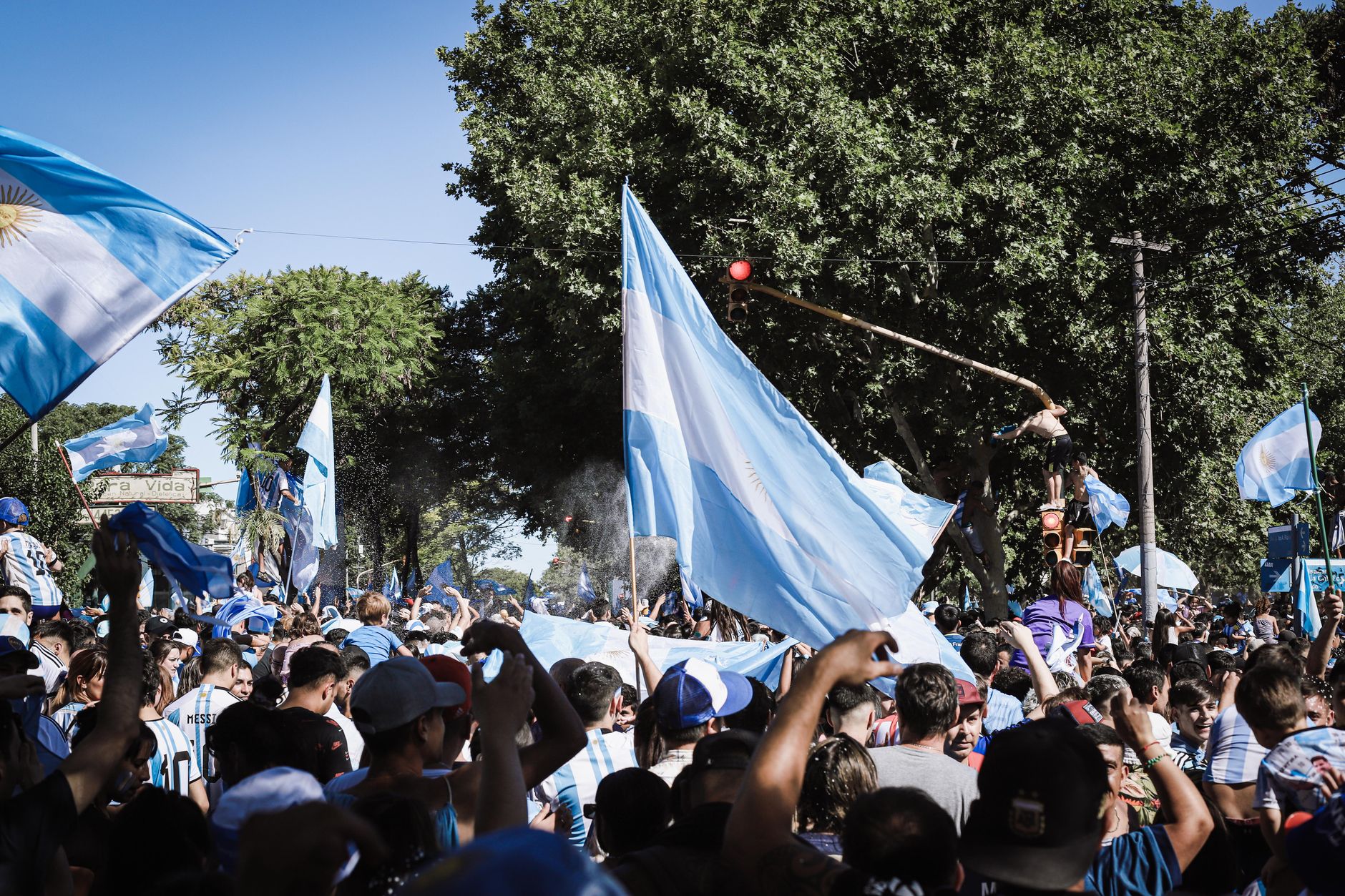
Photo by Gera Cejas on Pexels
For more match previews, player stats, and tournament betting insights, visit Goal Moments today.
Frequently Asked Questions
Q: What is Mexico vs South Africa in 2026 football context?
A: Mexico vs South Africa refers to the international football matchup in which Mexico defeated South Africa 2-0 on 12 June 2026. The match is useful for analyzing H2H trends, FIFA ranking gaps, and World Cup-era tactical patterns. Mexico entered with a ranking listed at 14, while South Africa was listed at 60.
Q: How to analyze Mexico vs South Africa for betting?
A: Start by separating the final score from the underlying match pattern. Review rankings, team news, transition control, defensive shape, and recent form across at least five matches. For this fixture, Mexico’s 2-0 win supports a control-based reading, but it should not automatically justify every handicap or over-goals angle.
Q: What is the difference between Mexico and South Africa tactically?
A: Mexico looked stronger in structured possession and defensive balance, while South Africa depended more on transition opportunities. That difference matters because Mexico could slow the game and reduce counterattacking risk. South Africa’s path to improvement would involve cleaner central progression and better support around forward runners.
Q: Why did South Africa struggle against Mexico?
A: South Africa struggled because Mexico limited the spaces where quick counters usually develop. When South Africa regained possession, Mexico often had midfield cover in place, forcing rushed long passes or isolated attacks. The FIFA ranking gap also appeared in decision-making speed and consistency under pressure.
Q: Is Mexico vs South Africa useful for future World Cup predictions?
A: Yes, but it should be used as one data point rather than a complete forecast. The 2-0 result shows Mexico’s ability to manage a favorable matchup, yet future games may involve different squads, venues, referees, and tactical incentives. Combine H2H data with current form before making predictions.
Q: How much does it cost to follow Goal Moments analysis?
A: Access depends on the specific content or service available through Goal Moments at the time you visit. The site focuses on FIFA World Cup predictions, team tactics, player stats, and daily tournament coverage. Check the official Goal Moments page for current access details and available features.
Thank you for reading.
Goal Moments
High-Stakes Editorial · Premium Insights