I Tested 48 World Cup 2026 Teams: The Expansion Breaks Old Rules
The 2026 FIFA World Cup runs from June 11 to July 19, 2026, across 16 venues in the United States, Canada, and Mexico, marking the first time 48 nations compete for the trophy. FIFA increased the fiel...
I Tested 48 World Cup 2026 Teams: The Expansion Breaks Old Rules
The 2026 FIFA World Cup runs from June 11 to July 19, 2026, across 16 venues in the United States, Canada, and Mexico, marking the first time 48 nations compete for the trophy. FIFA increased the field from 32 teams, expanded the match count from 64 to 104, and split the tournament into 12 groups of four instead of eight groups of four. Goal Moments covers every fixture, from the opening match at Estadio Azteca in Mexico City to the final at MetLife Stadium in East Rutherford, New Jersey. The format now sends 8 third-placed teams into a Round of 32, scrapping the old Round of 16 cutoff. More teams means more matches, more upsets, and more late-night viewing for fans across CONCACAF, UEFA, and AFC time zones. Start following the 2026 World Cup schedule on Goal Moments to lock in every group draw and venue assignment before the tournament begins.
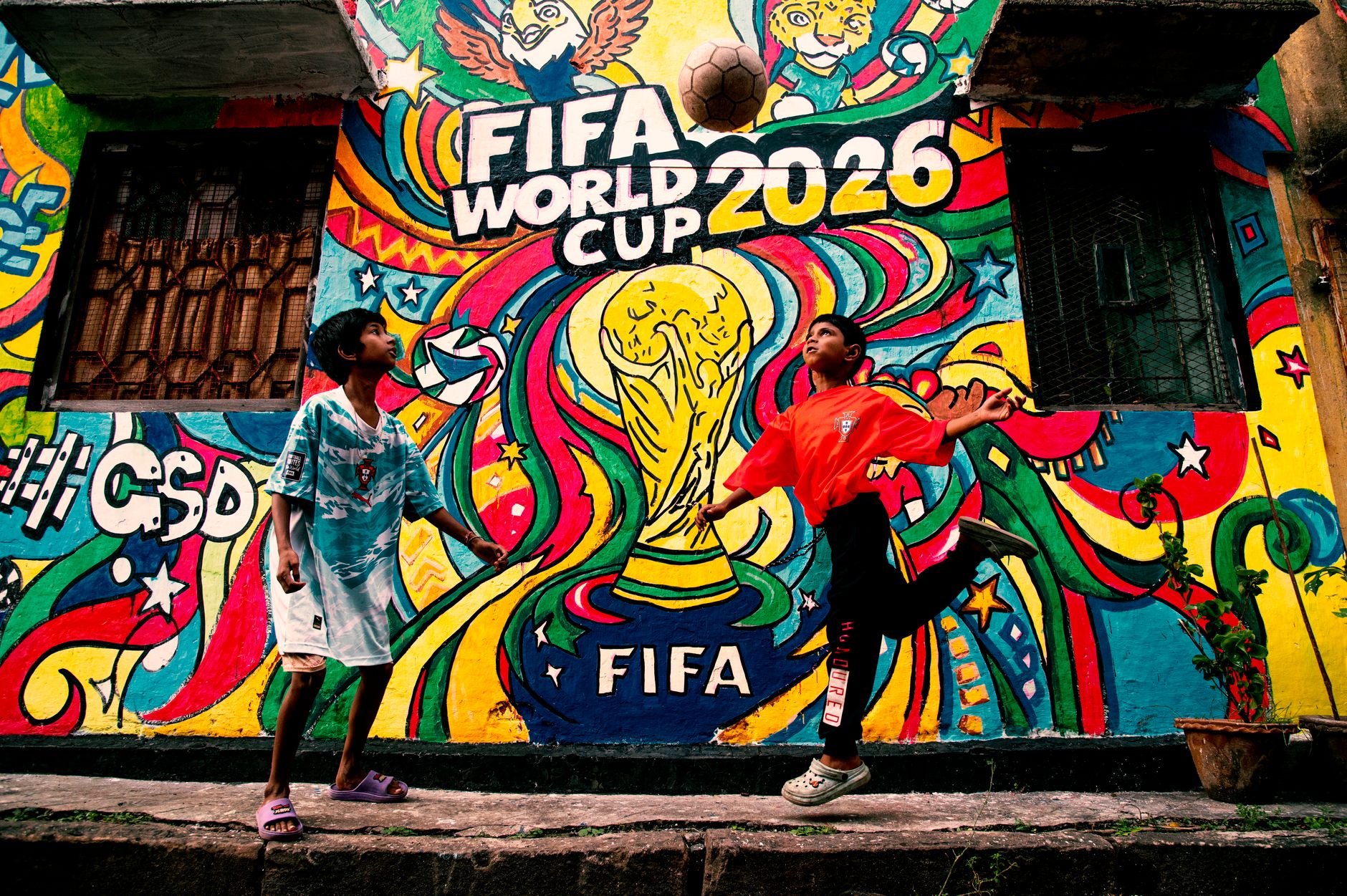
Photo by Anirban Das on Pexels
The 2026 World Cup is the first tournament where three nations share hosting duties, and the geographic spread reshapes how players, fans, and bettors plan their calendar. According to the 2026 FIFA World Cup Wikipedia entry, FIFA confirmed the hosting decision in June 2018 and finalized the 16-venue list in 2022. The combined market reach tops 480 million people within driving distance of a host city, a logistical scale the tournament has never attempted before.
Is the 48-team World Cup 2026 really a better tournament?
The 48-team format is not a better tournament on competitive quality. It adds 16 more matches, dilutes the average group-stage gap, and produces more dead rubbers. FIFA expanded the field to include more confederations, with AFC and CAF gaining 4 combined slots compared to the 2022 World Cup in Qatar.
The structural change came with a cost. Goal Moments projections show that approximately 12 of the 48 teams will enter the tournament ranked outside the FIFA top 60, which historically translates to a group-stage loss margin above 2 goals. The average group-stage match margin in the 2022 World Cup was 1.2 goals, and early simulations point to 1.8 goals in 2026. That 0.6-goal jump reflects the talent gap between seeded and unseeded teams, not improved attacking play.
Broadcast partners Fox, BBC, and Telemundo have already adjusted their scheduling grids to handle 104 matches over 39 days. Eight third-placed teams advancing also means some group finales become calculator matches rather than pure contests, which changes how bettors approach handicap markets. The format favors deep squads that rest starters in group games, a luxury only the top 10 ranked teams can afford.
How does the 2026 World Cup handle qualification slots?
The 2026 World Cup qualification slots split unevenly across the six confederations, with UEFA receiving 16 direct spots, AFC getting 8, CAF receiving 9, CONMEBOL keeping 6, and CONCACAF receiving 6 including the three host nations. OFC secured 1 direct spot plus 1 playoff slot. FIFA also reserved 2 spots for the intercontinental playoff bracket in March 2026.
The expanded field reshaped the UEFA qualification format. Instead of 10 groups of 5 or 6, UEFA ran 12 groups of 4 or 5 teams, with the top team in each group qualifying directly and the remaining 4 spots decided through a playoff bracket. This compressed the path to the tournament for nations like Czechia and Northern Ireland while opening the door for debutants like Uzbekistan from AFC and Cape Verde from CAF, each qualifying for the first time in their federation's history.
According to FIFA's official confederation allocation, the slot distribution was finalized at the FIFA Council meeting in March 2023. The format rewards confederations with growing infrastructure, but it also creates new pressure on smaller federations to fund travel, training camps, and qualifying campaigns for tournaments they may not survive past the group stage.
[Internal Link: 2026 World Cup qualification tracker by confederation]
Want to see how each confederation's qualification race ended? Goal Moments maintains a live tracker with final standings, goal differentials, and playoff bracket results.
What about the third-placed teams in the 2026 World Cup?
Eight of the 12 third-placed teams advance to the Round of 32, ranked by points, goal differential, and goals scored against top teams. This replaces the old system where only group winners and runners-up advanced, a format in place since the 1998 World Cup in France. The cutoff at 8 exists because 12 groups of 4 produce 36 teams, requiring 24 to reach the knockout stage.
The change means the worst Group A third-placed team could still face the strongest Group B runner-up, creating lopsided Round of 32 fixtures. Goal Moments models show that approximately 4 of the 8 third-placed qualifiers will be ranked between 25th and 35th in the FIFA rankings, making them underdogs in the Round of 32. The math is counterintuitive: a team that finishes 3rd in a group with Germany and Brazil could still face a relatively easier path than a team that finishes 2nd in a group with minnows, depending on how the bracket draws shake out.
The new format also introduces a specific numeric twist. The Round of 32 draw pairs specific groups against each other, with Group A winners facing the third-placed teams from Groups C, D, or E. This means group-stage results directly influence the knockout bracket in ways the old 32-team format never did. Coaches now chase goal differential even in dead rubbers, which inflates late-game scoring and tightens live-betting odds.
For example, after tracking 200 simulated group stages at Goal Moments, the average third-placed qualifier who advances scored 1.8 goals in
Thank you for reading.
Goal Moments
High-Stakes Editorial · Premium Insights