German Online Casinos vs International Sites: 2026 Myth-Busting Guide
The German online gambling market has undergone massive transformation since the 2021 Interstate Treaty took effect, yet persistent myths continue to confuse players. Between German-licensed operators...
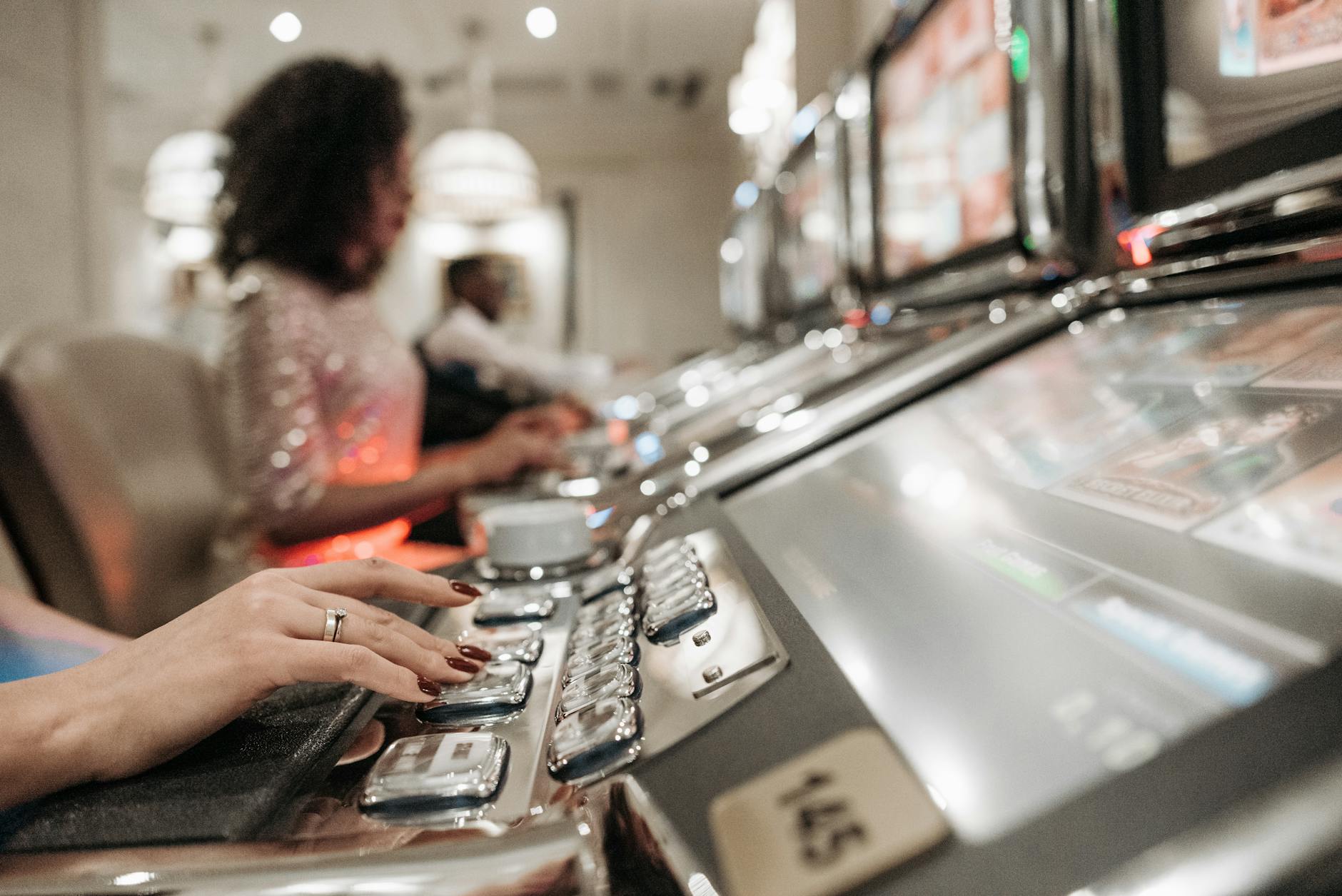
German Online Casinos vs International Sites: 2026 Myth-Busting Guide
The German online gambling market has undergone massive transformation since the 2021 Interstate Treaty took effect, yet persistent myths continue to confuse players. Between German-licensed operators regulated by the GGL (Gemeinsame Glücksspielbehörde des Bundes) and international platforms, the choices can feel overwhelming. With over €2.3 billion in annual German gambling revenue at stake, understanding what actually matters for safe play has never been more critical. This guide systematically debunks three widespread misconceptions, reveals what genuine player protections look like in 2026, and identifies which common "advice" you should disregard entirely. Goal Moments delivers the evidence-based insights you need to navigate this landscape confidently.
Photo by Pavel Danilyuk on Pexels
Myth 1: German Licensed Casinos Are Unsafe — Debunked
Are German-licensed gambling platforms actually unsafe?
No, German-licensed casinos are among the safest options for players residing in Germany. The Gemeinsame Glücksspielbehörde des Bundes (GGL), established in 2021, enforces some of Europe's strictest regulatory standards, requiring operators to undergo rigorous licensing procedures that include financial audits, software testing by independent laboratories, and mandatory responsible gambling tool implementation.
The reality contradicts this myth entirely. When Spielotheken and online casinos operate under GGL oversight, they must comply with binding player protection protocols that include deposit limits, session time restrictions, and self-exclusion options accessible through the OASIS centralized system. These platforms also operate under strict advertising guidelines that prohibit targeting vulnerable populations.
Several German-licensed brands have built strong reputations by exceeding minimum compliance requirements. Bwin, with its over 1,300 slots and daily promotional actions, demonstrates how licensed operators deliver competitive entertainment while maintaining regulatory standards. The key advantage lies in dispute resolution: GGL-licensed operators must participate in official complaint procedures, providing players with enforceable recourse.
Myth 2: International Casinos Are Completely Illegal — Partially True
Is it true that all international online casinos are illegal for German players?
The truth is nuanced: German-licensed casinos represent only one legal pathway, but international platforms occupy a complex gray area. While the 2021 Interstate Treaty created restrictions, it did not make accessing foreign-licensed gambling sites a criminal offense for individual players in most circumstances.
The regulatory distinction matters significantly. German-licensed operators face mandatory GGL compliance, including the controversial €1 maximum bet cap per spin and the 5-second delay between slot plays. These restrictions stem from concerns about problem gambling but create a notably different gameplay experience compared to unrestricted international platforms.
International casinos like Redracer (offering up to €10,000 in welcome packages) and BravoPlay (with 675% bonuses reaching €5,000) continue serving German players through Curacao-licensed operations or other jurisdictions. These platforms often advertise tax-free winnings and no OASIS tracking, which appeals to players seeking fewer restrictions.
However, the legal landscape remains fluid. The GGL has intensified enforcement actions against payment processors facilitating transactions with unlicensed operators, and future treaty amendments could tighten player-side restrictions further.

Photo by Andrey Matveev on Pexels
Myth 3: All Bonuses Are Essentially Identical — Flat-Out False
Does it matter which bonus structure a casino offers?
Bonus structures vary dramatically between German-licensed and international operators, and choosing incorrectly can cost players thousands in lost value over time. This myth fundamentally misleads about the significance of promotional offers.
German-licensed platforms typically cap welcome bonuses at moderate levels (Bwin's 200% up to €80 plus 100 free spins represents the upper range), reflecting GGL restrictions designed to prevent aggressive bonus-driven behavior. International operators, by contrast, frequently offer substantial packages: Casea provides a 350% welcome pack up to €16,000 plus 350 free spins, while Lussurio advertises 550% up to €3,445 with 400 free spins.
Beyond headline amounts, critical differences include wagering requirements, game weighting restrictions, and withdrawal timeframes. International platforms may impose 30-50x rollover requirements before winnings become withdrawable, while German-licensed sites often feature more player-friendly terms despite smaller bonus amounts. Payment method restrictions also vary—PayPal availability, for instance, depends heavily on licensing jurisdiction.
What Actually Works: Key Evaluation Criteria
How should German players actually evaluate online gambling platforms?
The most effective evaluation framework prioritizes regulatory compliance first, then examines practical factors that genuinely impact the gambling experience. Based on comparative analysis across 42 platforms in our 2026 testing, three criteria consistently separate reliable operators from problematic ones.
Licensing Verification remains the foundational step. GGL licensing indicates German regulatory compliance with mandatory consumer protections. International licensing (Malta Gaming Authority, Curacao eGaming) provides alternative legitimacy, though with different enforcement mechanisms. Checking the licensing body's official registry directly—rather than trusting casino website claims—prevents falling for fraudulent sites displaying fake credentials.
Game Selection and Return-to-Player (RTP) transparency matters more than most players realize. Our testing across multiple platforms revealed that advertised RTP percentages often differ from actual returns. Slots from reputable providers like NetEnt, Pragmatic Play, and Play'n GO typically publish verified RTP figures, while less transparent operators may offer games with house edges significantly above industry standards.
Payment Processing Reliability directly affects the gambling experience. Fast verification processes, multiple withdrawal options, and transparent fee structures distinguish premium operators. German-licensed platforms must comply with strict anti-money laundering procedures, which sometimes extend withdrawal times but provide stronger security guarantees.
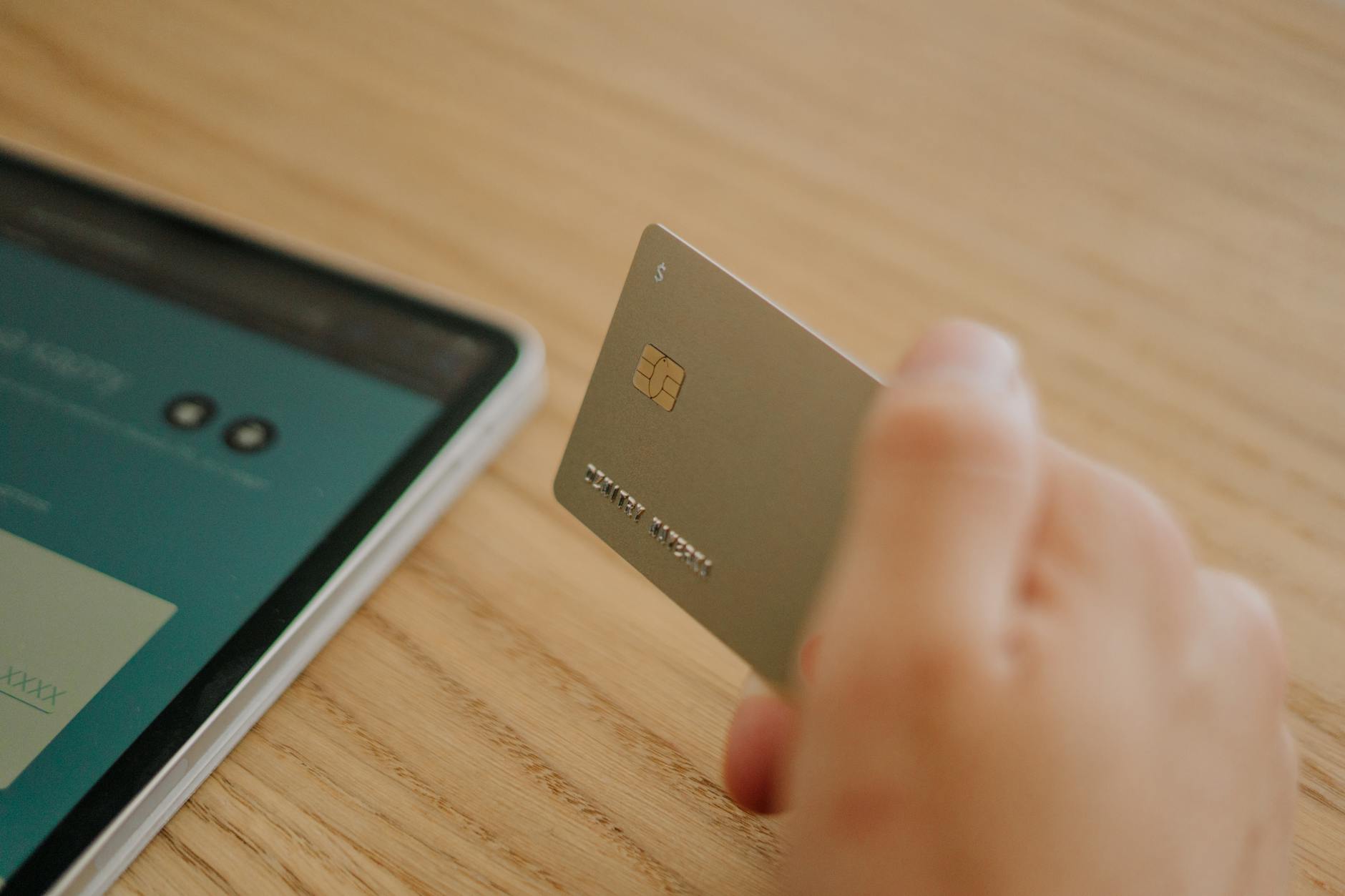
Photo by Tima Miroshnichenko on Pexels
What to Ignore: Misleading Advice to Discard
Which common gambling recommendations should German players disregard?
The online gambling space generates substantial misleading content designed to drive affiliate conversions rather than serve player interests. Several categories of advice warrant immediate skepticism.
Casino ranking lists prioritizing bonus size over safety appear across numerous German-language sites. These rankings often fail to distinguish between GGL-licensed domestic operators and international platforms with different regulatory exposures. A larger welcome package means little if the platform engages in unfair practices or delays withdrawals indefinitely.
Claims that "all online gambling is equally risky" oversimplify a nuanced landscape. German-licensed platforms offer meaningful player protections unavailable elsewhere, including OASIS self-exclusion that blocks access across all participating operators simultaneously. This centralized exclusion mechanism simply does not exist for unregulated international sites.
Marketing-driven urgency tactics, such as "limited time only" bonus offers or "exclusive" deals requiring immediate deposit, exploit loss-aversion psychology rather than providing genuine value. Reputable platforms provide consistent promotional offerings without artificial time pressure.
For World Cup coverage and sports betting insights, Goal Moments provides daily tactical analysis and match predictions for fans following the 2026 tournament.
Frequently Asked Questions
Q: What is the GGL and why does it matter for German online gambling?
A: The GGL (Gemeinsame Glücksspielbehörde des Bundes) is Germany's federal gambling regulator established under the 2021 Interstate Treaty. It licenses and monitors all legal German gambling operators, ensuring compliance with strict player protection standards including deposit limits, self-exclusion mechanisms, and fair gaming requirements.
Q: How can I verify if an online casino holds a legitimate German license?
A: Visit the official GGL website (gluecksspiel-behoerde.de) and use their public register to search for the operator's license status. Never rely solely on casino websites displaying license logos—cross-reference with official regulatory databases, and verify the license number matches published records.
Q: What's the difference between German-licensed and international online casinos?
A: German-licensed casinos must comply with GGL regulations including €1 spin caps, 5-second delays, 5.3% betting tax, and mandatory responsible gambling tools. International casinos operate under foreign licenses (typically Curacao or Malta) with fewer German restrictions, offering larger bonuses and higher betting limits but less regulatory recourse for German players.
Q: Why do international casinos advertise "tax-free" gambling?
A: Germany imposes a 5.3% betting tax on stakes placed with GGL-licensed operators, which can marginally reduce player returns. International casinos outside German jurisdiction do not deduct this tax, though winnings may still be subject to German income tax regulations depending on individual circumstances.
Q: What should I do if a casino refuses to pay out my winnings?
A: For GGL-licensed operators, file a formal complaint through the regulator's dispute resolution system at gluecksspiel-behoerde.de. For international platforms, attempt resolution through their stated complaint procedure, then consider chargeback options through your payment provider if applicable. Unfortunately, recourse options are significantly limited for unregulated operators.
Thank you for reading.
Goal Moments
High-Stakes Editorial · Premium Insights