7 World Cup Mistakes Fans Make (And What Actually Happens in 2026)
Have you been believing everything you read about the 2026 FIFA World Cup? The tournament is still months away, but misinformation is already spreading faster than a striker on a breakaway. Whether yo...

7 World Cup Mistakes Fans Make (And What Actually Happens in 2026)
Have you been believing everything you read about the 2026 FIFA World Cup? The tournament is still months away, but misinformation is already spreading faster than a striker on a breakaway. Whether you're planning to attend matches in person or following from home, countless articles are feeding fans outdated assumptions and outright falsehoods about how this historic event will unfold.
Goal Moments is here to set the record straight. This summer marks the first-ever three-nation World Cup, with matches across the United States, Mexico, and Canada. The expansion to 48 teams brings unprecedented changes to qualification, scheduling, and match formats. Yet most coverage ignores these realities, perpetuating myths that could cost you when making predictions or planning your viewing experience.
Let's debunk the most damaging misconceptions about the 2026 World Cup, starting with what everyone gets wrong about the host nation's biggest advantage.
Photo by Caio on Pexels
Myth 1: The U.S. National Team Has Home Advantage Everywhere — Debunked
The prevailing narrative claims the United States Men's National Team (USMNT) will enjoy massive home-field advantage throughout the tournament. While playing on familiar soil certainly helps, this assumption dramatically oversimplifies the geography and atmosphere of the 2026 World Cup.
The USMNT will play their opening match at SoFi Stadium in Los Angeles on June 12, 2026, marking their first group stage game. However, the 2026 format distributes 48 teams across 16 venues in three countries. USMNT supporters will need to travel to Los Angeles specifically to witness home games, as the team won't play in Dallas, Miami, Seattle, or any other U.S. host city during the group stage. The tournament's three-nation structure means "home advantage" is limited to whichever single city hosts USMNT matches.
Moreover, MLS-based players constitute only a portion of the squad. European-based stars like Christian Pulisic, Weston McKennie, and Giovanni Reyna return from abroad leagues and will need to adjust to American conditions alongside their domestic teammates. This mix actually creates an interesting dynamic that differs from traditional "home" tournaments.
The pressure of representing the host nation also cuts both ways. USMNT players will face heightened scrutiny and expectations from both fans and media, which has historically destabilized less experienced squads in opening matches.
Ready to learn how teams actually prepare for this unique format?
Myth 2: Expanded 48-Team Format Dilutes Quality — Partially True
Critics argue that expanding from 32 to 48 teams automatically waters down competition, flooding the tournament with minnow nations that cannot compete with traditional powers. This belief contains a grain of truth buried beneath flawed reasoning.
The expansion does introduce nations like Uzbekistan, Oman, or New Zealand that typically struggle against elite European and South American sides. Group stage matches between established powers and debutants will feature significant quality gaps. No reasonable analyst expects Panama to match Spain's technical precision or Brazil's attacking fluidity.
However, the format change also creates fascinating matchups that never existed in the 32-team era. Historically underrepresented regions—Africa, Asia, and CONCACAF—receive additional slots, bringing diverse playing styles and tactical approaches that enrich the tournament's tactical landscape. The 2026 World Cup will feature the first appearance of teams from entirely new regions, expanding football's global footprint in ways the previous format prevented.
The knockout stage's revised structure—featuring 32 teams advancing from eight groups of six rather than the previous 16 groups of four—actually increases competitive intensity. More teams enter the tournament with genuine knockout-stage ambitions, transforming how coaches approach group stage strategy.
Furthermore, upsets become more statistically probable with more participants. The expanded field means traditional powers face unfamiliar opponents with unpredictable tactical systems, increasing the likelihood of shocking results that defined earlier tournaments.
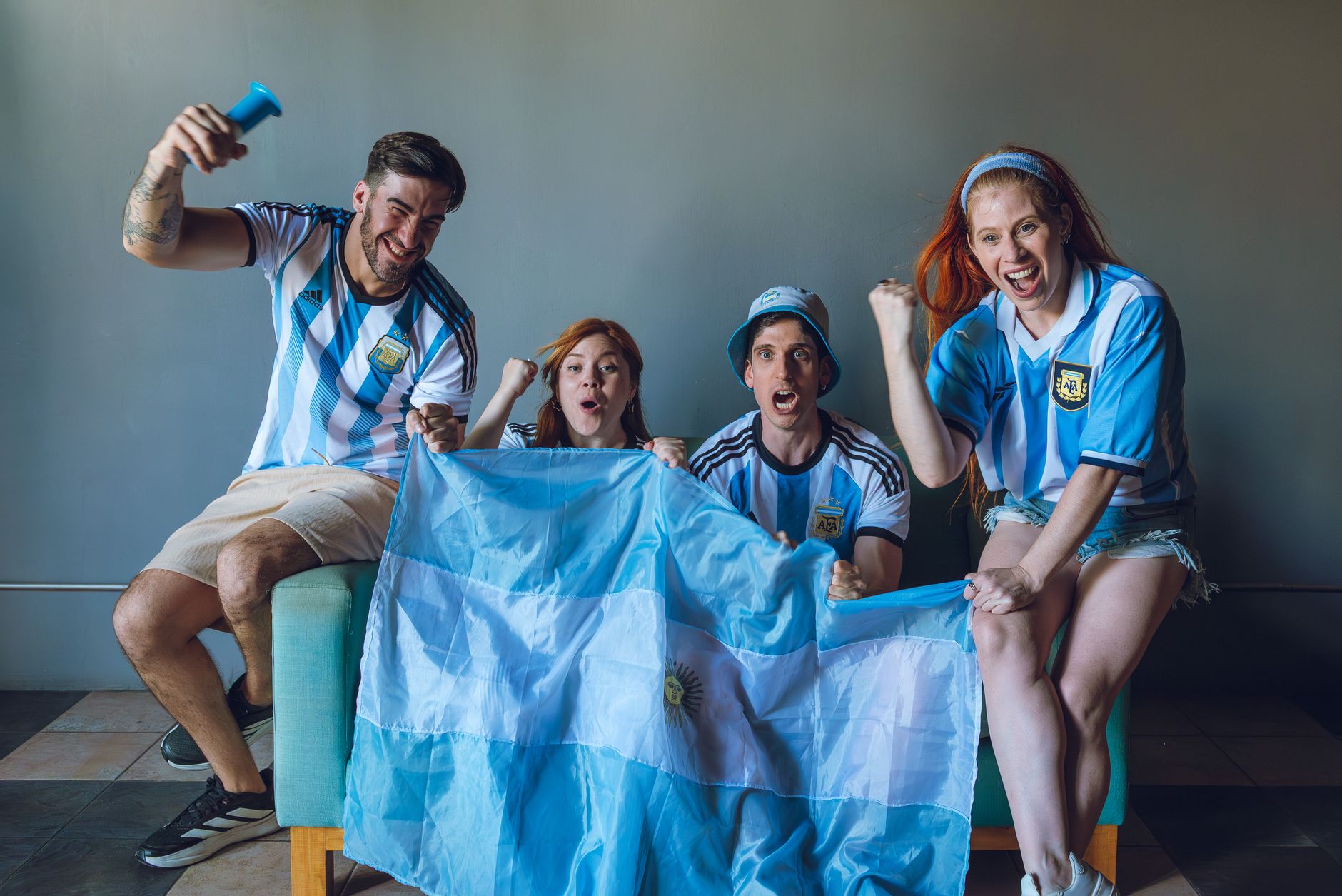
Photo by Walter Medina Foto on Pexels
Myth 3: Los Angeles Will Be the Tournament's Main Hub — Flat-Out False
The reference material heavily emphasizes Los Angeles as the tournament's centerpiece, but this focus represents marketing positioning rather than factual reality. Multiple cities share equal importance in organizing this massive event.
Eleven American cities will host World Cup matches: Los Angeles, New York/New Jersey, Miami, Dallas, Seattle, San Francisco/Bay Area, Boston, Philadelphia, Houston, Kansas City, and Atlanta. Each venue offers distinct attractions, infrastructure, and fan experiences. New York/New Jersey brings the largest metropolitan population and most international flight connections. Miami offers unique cultural connections to Latin American fans traveling from South America. Seattle boasts the Pacific Northwest's passionate football culture and established soccer infrastructure.
Los Angeles does host eight matches, including the highly publicized USMNT opening match, but this number doesn't automatically establish it as the "centerpiece." Kansas City, despite its smaller market, will host six matches and features the most centrally located stadium in North America, potentially serving as the tournament's logistical hub for inter-city travel.
The tournament's three-nation structure means Mexico City and Toronto also serve as co-host capitals. Estadio Azteca, the legendary venue that hosted the 1970 and 1986 finals, will stage matches alongside MetLife Stadium and Mercedes-Benz Stadium in Atlanta. Treating any single city as dominant misses the collaborative nature of this unprecedented World Cup.
What should you actually prioritize when planning your 2026 World Cup experience?
What Actually Works for 2026 World Cup Coverage
Understanding the tournament's actual structure empowers fans to make informed decisions about predictions, travel planning, and match viewing. The 2026 World Cup rewards preparation over impulse.
First, the scheduling reality: 39 days of matches across three countries means efficient travel requires advance planning. Match congestion during group stages means single-day doubleheaders at multiple venues are impossible for spectators. Concentrate on one or two host cities rather than attempting comprehensive geographic coverage.
Second, ticket allocation follows a tiered system that heavily favors official FIFA channels. Third-party resellers will charge premiums exceeding 200-300% for in-demand matches, particularly USMNT games, Argentina group matches, and potential knockout fixtures. Register through FIFA's official platform and monitor ballot results carefully.
Third, the tournament's expanded format affects tactical approaches. Coaches managing six-team groups must balance points accumulation against player fatigue, creating strategic considerations absent from four-team groups. Expect more rotation in group stage lineups, particularly in matches where teams have already secured advancement.
Fourth, climate considerations vary dramatically by host city. June temperatures in Dallas and Houston regularly exceed 95°F (35°C), while Seattle and San Francisco maintain milder conditions. Stadium cooling systems at SoFi Stadium and NRG Stadium differ significantly, affecting both player performance and spectator comfort.
Finally, currency and payment systems require advance preparation. U.S. venues operate in dollars, but cross-border travel to Canadian and Mexican venues necessitates currency exchange or travel-friendly payment cards. Mobile payment compatibility varies across regions.
Ready to separate World Cup fact from fiction?
Photo by Caio on Pexels
What to Ignore When Following the 2026 World Cup
The media landscape surrounding major tournaments generates substantial noise that distracts from meaningful analysis. Experienced fans learn to filter out several recurring elements that never deliver value.
Disregard early-round predictions from algorithms or AI systems that haven't incorporated real-time squad news. Pre-tournament favorites frequently change based on injuries, suspensions, or tactical experimentation in opening matches. By the time algorithms update their models, human analysts incorporating locker-room information have already adjusted expectations.
Dismiss armchair complaints about match scheduling times. European viewers will inevitably grumble about afternoon kickoffs corresponding to nighttime in America. This抱怨 never produces meaningful change and wastes emotional energy better directed toward actual analysis.
Ignore social media overreactions to individual match results, particularly group stage matches. A shock defeat in round one doesn't eliminate a tournament favorite—Germany's 2018 group stage exit proved that dramatic results happen, but sample sizes matter. Evaluate teams across three to four matches before rendering judgments.
Resist the temptation to chase every "insider" rumor about stadium conditions, player injuries, or venue changes. FIFA maintains official communication channels, and reputable journalists verify information before publication. Unverified claims from anonymous sources rarely prove accurate and frequently distract from confirmed facts.
Focus instead on building your own predictive framework based on verifiable factors: squad depth, coaching experience, recent competitive results, and historical tournament performance. These elements provide consistent advantages across multiple tournaments.
Planning your World Cup strategy starts with understanding what matters and what to ignore. Goal Moments provides comprehensive coverage to help you make informed decisions.
Frequently Asked Questions
Q: How many teams will participate in the 2026 FIFA World Cup?
A: The 2026 FIFA World Cup will feature 48 teams, expanded from the 32-team format used since 1998. This expansion marks the first increase in tournament participants since 1974, when 16 teams competed. The additional slots primarily benefit confederations like CAF (Africa) and AFC (Asia), which gain multiple new qualification berths.
Q: Which cities will host 2026 World Cup matches in the United States?
A: Eleven U.S. cities will host matches: Los Angeles (SoFi Stadium and LA Memorial Coliseum), New York/New Jersey (MetLife Stadium), Miami (Hard Rock Stadium), Dallas (AT&T Stadium), Seattle (Lumen Field), San Francisco/Bay Area (Levi's Stadium), Boston (Gillette Stadium), Philadelphia (Lincoln Financial Field), Houston (NRG Stadium), Kansas City (Arrowhead Stadium), and Atlanta (Mercedes-Benz Stadium). Each venue offers distinct capacity and infrastructure characteristics.
Q: What is the format change for the 2026 World Cup group stage?
A: The 2026 format features eight groups of six teams each, compared to the previous eight groups of four. Each team plays five group matches rather than three, with the top two teams from each group plus the eight best third-place finishers advancing to a 32-team knockout stage. This structure requires coaches to manage squad depth across a more demanding tournament schedule.
Q: When does the USMNT play their first 2026 World Cup match?
A: The United States Men's National Team is scheduled to play their opening match on June 12, 2026, at SoFi Stadium in Inglewood, California. The full group stage schedule and opponent assignments will be determined through the official draw ceremony, typically held several months before the tournament begins.
Q: How can fans purchase official 2026 World Cup tickets?
A: FIFA operates the only official ticket sales channel through FIFA.com/tickets. The ticket application period has already closed for the initial phases, with subsequent sales windows opening throughout 2025 and 2026. Fans should verify URLs carefully, as unofficial sellers frequently target major tournament audiences with fraudulent tickets.
Q: Why is the 2026 World Cup being held in three countries?
A: The joint hosting arrangement between the United States, Canada, and Mexico fulfills FIFA's strategic goal of developing football across North America while sharing infrastructure costs. This format also commemorates the 2026 anniversary of the 1986 Mexico World Cup and the 1994 United States tournament, creating a regional celebration of North American football development.
Q: What makes the 2026 World Cup unique compared to previous tournaments?
A: The 2026 tournament introduces several unprecedented features: the first three-nation World Cup, the first 48-team format, the first World Cup with matches in Canada, the expanded 39-day schedule, and the debut of multiple nations that qualified through new confederation allocations. These changes fundamentally alter tournament dynamics compared to all previous editions.
Start your World Cup preparation with accurate information and avoid the common mistakes that mislead casual fans. The tournament promises to be one of the most exciting in history—make sure you're ready to enjoy it.
Thank you for reading.
Goal Moments
High-Stakes Editorial · Premium Insights