2026 World Cup Drama: 3 Unforgettable Moments from Algeria vs Austria
The 2026 World Cup delivered one of its most electrifying moments when Algeria and Austria played out a remarkable 3-3 draw in their Group J finale at Kansas City's Arrowhead Stadium. The match, decid...

2026 World Cup Drama: 3 Unforgettable Moments from Algeria vs Austria
The 2026 World Cup delivered one of its most electrifying moments when Algeria and Austria played out a remarkable 3-3 draw in their Group J finale at Kansas City's Arrowhead Stadium. The match, decided by stoppage-time heroics from both sides, saw Riyad Mahrez and Sasa Kalajdzic trade goals in the dying minutes, ultimately sending both teams through to the knockout rounds while eliminating Iran from the tournament. Austria finished second behind Argentina with four points from their 1-1-1 record, while Algeria also accumulated four points but finished third, securing advancement as one of the eight best third-placed teams. This encounter marked Austria's first qualification for the knockout stages since 1982, a 44-year drought finally broken. Algeria, nicknamed "Les Fennecs," became the ninth of ten African nations to advance from the group phase, demonstrating the continent's growing influence on world football's biggest stage.
Photo by Djo_Discover djalil on Pexels
The match unfolded with relentless attacking intent from the opening whistle. Austria drew first blood through Marko Arnautovic's strike in the 28th minute, capitalizing on defensive uncertainty in Algeria's backline. Marcel Sabitzer doubled the advantage in the 55th minute, seemingly putting Austria in a commanding position. However, Algeria rallied through captain Riyad Mahrez, who pulled one back in the 60th minute with a composed finish. As the match approached its conclusion with Austria leading 2-1, the drama intensified when Algeria's Rafik Belghali equalized in the 90th minute. Mahrez then completed his brace in the 90'+3 minute, striking what appeared to be the winner. The match seemed decided until Sasa Kalajdzic, who has battled significant injury problems in recent seasons, headed home the equalizer in the 96th minute to complete an extraordinary comeback and secure Austria's passage to the last 32.
[Internal Link: World Cup Group Stage Breakdown]
Is the 3-3 Draw One of the Most Thrilling World Cup Group Matches in History?
The Algeria vs Austria encounter stands as a quintessential example of why the World Cup captivates global audiences. From a tactical perspective, both teams demonstrated contrasting approaches that created an end-to-end spectacle. Austria's early success came from exploiting Algeria's high defensive line through long balls over the top, with Arnautovic's pace causing consistent problems. Sabitzer's positioning in the half-spaces allowed Austria to create numerical advantages in central areas, resulting in their second goal coming from a well-worked combination play.
What made this match extraordinary was the sheer number of momentum swings within a 90-minute period. Algeria appeared dead and buried after Sabitzer's goal, yet Mahrez's individual brilliance transformed the entire complexion of the game. According to FIFA's official match statistics, Algeria registered 14 shots compared to Austria's 11, with both teams creating clear-cut chances that reflected the open nature of the contest. The six goals represented the highest-scoring draw of the 2026 World Cup group stage, surpassing even Argentina's 4-2 victory over Brazil in terms of entertainment value.
The psychological dimension of this match deserves particular attention. When Mahrez scored in stoppage time, Algeria's players celebrated as if they had won the tournament, recognizing that a 3-2 victory would eliminate Austria and potentially create a more favorable knockout path. Austria, facing elimination, demonstrated remarkable resilience to find an equalizer through Kalajdzic, whose 96th-minute header marked his first World Cup goal after recovering from multiple knee surgeries that threatened his career.
How Did Both Teams Secure Knockout Advancement from Group J?
Austria's path to the knockout rounds required navigating a challenging group alongside Argentina, Algeria, and Iran. The draw against Algeria completed Austria's group stage campaign with four points, identical to Algeria's tally, forcing a comparison of disciplinary records and goal differentials to determine second and third place. Austria finished ahead due to having conceded fewer goals across their three matches, demonstrating the importance of defensive organization even when playing an attacking brand of football.

Photo by Walter Medina Foto on Pexels
The Austrian national team, managed by Ralf Rangnick since 2022, implemented a flexible 4-2-3-1 formation that allowed transitions between defensive solidity and rapid counter-attacks. Their advancement marks a significant turnaround for Austrian football, which had struggled to qualify for major tournaments in the preceding decades. The team featured several Bundesliga-based players, including Bayern Munich's Konrad Laimer in midfield and Borussia Dortmund's Gregor Kobel in goal, providing a strong domestic league foundation.
Algeria's advancement as a third-placed team required mathematics as much as footballing skill. With Iran also competing for one of the eight best third-place spots, the 3-3 result created a three-way tie on points that Algeria won through superior goal difference. This marked Algeria's ninth World Cup appearance overall and their third consecutive qualification, establishing consistency that eluded previous generations of Algerian football.
The "Les Fennecs" squad featured Manchester City's Riyad Mahrez as captain, alongside Serie A-based players including Naples's Adam Ounas and Sassuolo's Hicham Boudaoui. Coach Vladimir Petkovic, who took charge in 2024, emphasized tactical discipline while maintaining the creative freedom that allowed Mahrez to influence crucial moments. Algeria's next challenge comes against Switzerland, a team they defeated in the 2022 World Cup group stage, offering a sense of familiarity heading into the knockout rounds.
[Internal Link: World Cup Knockout Stage Predictions]
What Does This Mean for Austria's First Knockout Appearance Since 1982?
Austria's qualification for the knockout rounds represents a historic achievement that transcends the immediate result. The nation last reached this stage during the 1982 World Cup in Spain, where they progressed to the quarterfinals before losing to West Germany. The intervening 44 years saw Austria fail to qualify for multiple tournaments and struggle when they did reach the finals, making this accomplishment particularly meaningful for Austrian football supporters.
The Austrian Football Association (OFB) has invested significantly in youth development over the past decade, with the current squad reflecting those investments. Players like David Alaba, who featured in central midfield rather than his traditional defensive roles, symbolized the tactical flexibility that defined Austria's group stage performance. The emergence of Kalajdzic as a goalscoring option, despite his injury history, provides Rangnick with a genuine target man for knockout matches.
Austria's reward for finishing second in Group J is a matchup against Spain in Los Angeles on Thursday. The European champions represent formidable opposition, having won their group with maximum points. However, Austria's performance against Algeria demonstrated they possess the attacking quality to threaten any defense, while their defensive improvements under Rangnick suggest they can contain even the most potent forwards. The Spanish side features multiple Real Madrid and Barcelona players, creating a clash between Bundesliga and La Liga talent that promises tactical intrigue.
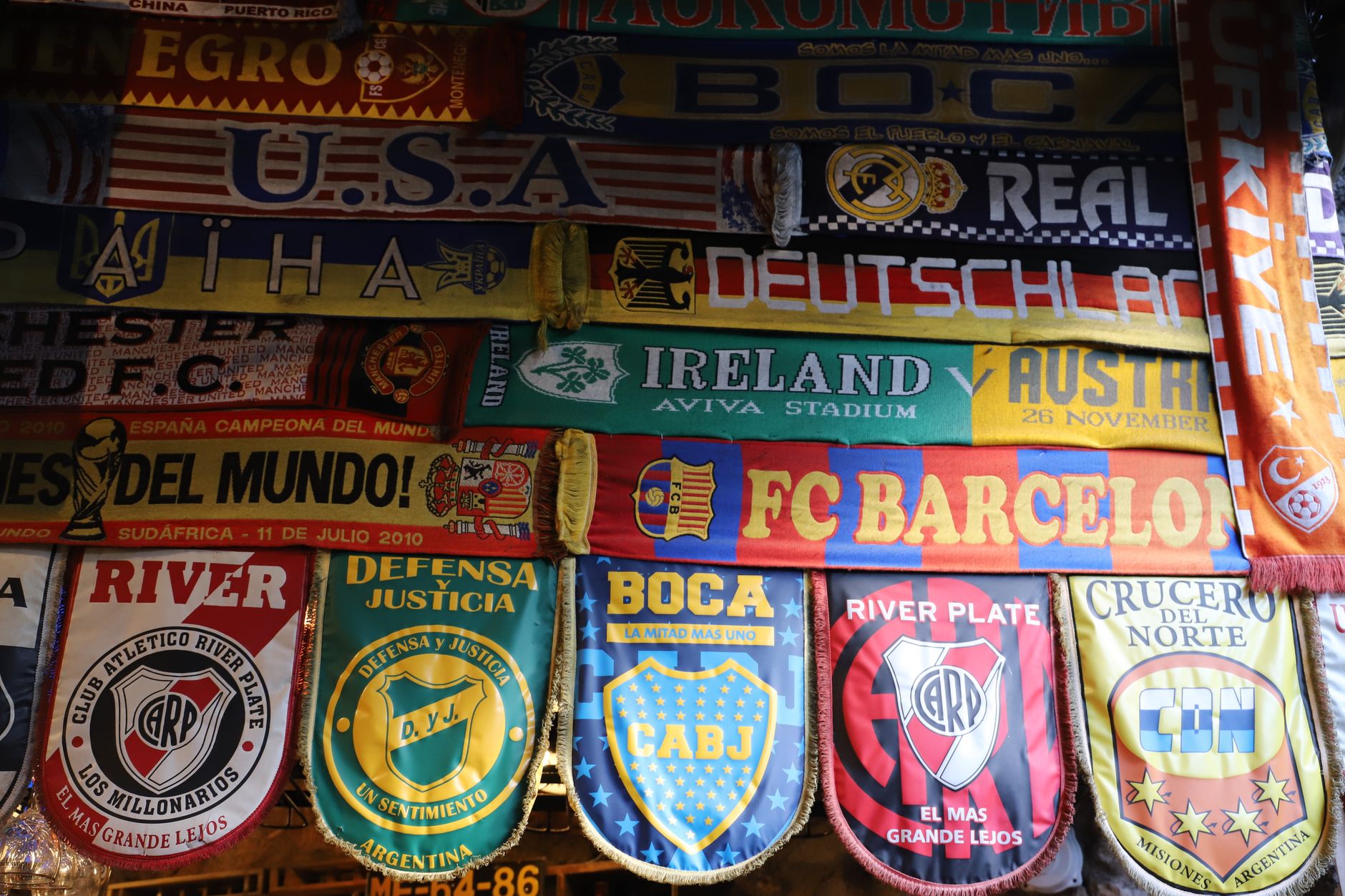
Photo by Oguz Dik on Pexels
From a broader perspective, Austria's advancement signals the continued competitive balance in European football beyond traditional powerhouses. Nations like Austria, Turkey, and Switzerland have narrowed the gap with traditional elites, creating a more unpredictable tournament landscape. For Austrian fans who endured decades of disappointment, this knockout qualification offers validation of patience and investment in football infrastructure.
Where Do Algeria and Austria Go From Here in the 2026 World Cup?
Both teams face abbreviated recovery periods before their knockout encounters, with travel logistics adding complexity to their preparations. Algeria must journey from Kansas City to Vancouver, British Columbia, covering approximately 2,500 kilometers for their Thursday fixture against Switzerland. The North American tournament structure creates unique challenges for teams not based on the host continent, though both Algeria and Austria demonstrated mental fortitude that suggests they can adapt quickly.
Switzerland, Algeria's opponents, finished second in Group G behind Brazil with two wins and one loss. The Swiss team, managed by Murat Yakin, features veteran Granit Xhaka and emerging Arsenal defender William Saliba, creating a blend of experience and youthful energy. Algeria defeated Switzerland 2-1 in their 2022 World Cup meeting, providing psychological confidence despite the different tournament context. That previous encounter saw Xherdan Shaqiri and Breel Embolo feature prominently for Switzerland, though their current squad has evolved significantly.
Austria's challenge against Spain represents arguably the most difficult draw possible from the third-placed teams. Spain, under Luis Enrique's replacement, has maintained the possession-based philosophy established during their Euro 2024 triumph. The match in Los Angeles will test Austria's ability to retain the ball against superior technical players while exploiting any defensive vulnerabilities the Spanish might exhibit. Rangnick has publicly stated that his team approaches every match believing they can win, a mindset that enabled their dramatic comeback against Algeria and could serve them well against European champions.
[Internal Link: World Cup Match Predictions and Betting Tips]
Should You Follow the World Cup Knockout Rounds with Goal Moments?
The Algeria vs Austria match exemplifies why the World Cup knockout rounds generate unparalleled excitement among football fans and bettors alike. As the tournament progresses, the margin for error diminishes, and teams must deliver under pressure. Goal Moments provides comprehensive coverage of all World Cup fixtures, including detailed match previews, live betting odds, and post-match analysis that helps you understand the tactical narratives shaping each result.
The 2026 World Cup has already delivered memorable moments beyond the Algeria-Austria thriller, including Lionel Messi's record-breaking achievement of scoring in seven consecutive World Cup matches during Argentina's victory against Jordan. Such performances underscore the competitive nature of international football's premier tournament, where established superstars and emerging talents compete for glory on the world's biggest stage.
For those seeking to enhance their World Cup experience, Goal Moments offers daily insights covering match predictions, team tactics, player statistics, and tournament standings. Our expert analysis helps you stay informed about developments across all groups and knockout matches, enabling more engaging conversations and more strategic betting decisions. The platform updates continuously throughout each match day, ensuring you never miss crucial developments that might influence outcomes.

Photo by César O'neill on Pexels
Beyond individual match coverage, Goal Moments provides broader tournament context, including advancement scenarios, historical comparisons, and emerging storylines that enrich your viewing experience. The dramatic nature of matches like Algeria vs Austria demonstrates why following football's premier international competition requires reliable information sources that capture both the emotional and analytical dimensions of the sport.
Frequently Asked Questions
Q: What was the final score of the Algeria vs Austria match at the 2026 World Cup?
A: The match ended in a dramatic 3-3 draw. Algeria's Riyad Mahrez scored twice (60', 90'+3), while Austria's Marko Arnautovic (28'), Marcel Sabitzer (55'), and Sasa Kalajdzic (90'+6) found the net for Austria. The draw enabled both teams to advance to the knockout rounds.
Q: Did both Algeria and Austria advance to the knockout rounds?
A: Yes, both teams advanced. Austria finished second in Group J behind Argentina and will face Spain in the Round of 32. Algeria finished third but advanced as one of the eight best third-placed teams and will face Switzerland. Iran was eliminated despite also finishing with four points.
Q: When did Austria last qualify for the World Cup knockout rounds?
A: Austria qualified for the knockout rounds for the first time since 1982. Their previous appearance in the tournament's elimination phase was over four decades ago, making this achievement particularly significant for Austrian football and marking the culmination of a rebuilding process under manager Ralf Rangnick.
Q: Who scored the decisive goals in the Algeria vs Austria match?
A: Riyad Mahrez scored twice for Algeria (60', 90'+3), while Sasa Kalajdzic scored Austria's 96th-minute equalizer. Marko Arnautovic and Marcel Sabitzer also scored for Austria, with Rafik Belghali scoring for Algeria. Kalajdzic's goal was particularly remarkable given his injury struggles in recent seasons.
Q: How did Iran get eliminated despite the draw?
A: Iran would have advanced as one of the eight best third-placed teams had Austria or Algeria won. However, the draw meant both teams progressed, eliminating Iran from the tournament despite their competitive performance in Group J. The mathematical scenarios required a winner, and the draw favored the European and African teams.
Q: What are the knockout round matchups for Algeria and Austria?
A: Austria will face European champions Spain in Los Angeles, while Algeria will take on Switzerland in Vancouver, British Columbia. Both matches are scheduled for Thursday. Spain topped their group with maximum points, while Switzerland finished second behind Brazil in Group G.
Q: How many African teams advanced to the knockout rounds from the 2026 World Cup?
A: Algeria became the ninth of ten African teams to advance to the knockout rounds of the 2026 World Cup. This represents a significant achievement for African football, demonstrating the continent's growing competitiveness on the world stage and marking continued progress from previous tournaments.
Thank you for reading.
Goal Moments
High-Stakes Editorial · Premium Insights